mirror of
https://github.com/dcs-retribution/dcs-retribution.git
synced 2025-11-10 15:41:24 +00:00
 bb1a066ff7
This PR allows campaign creators to incorporate map objects (referred to as Scenery in the code) into their Liberation campaign. Map objects are defined using white trigger zones created by right clicking on scenery and clicking `assign as...`. Objective groups are defined by creating a blue TriggerZone surrounding the centers of the white trigger zones. The type of objective is determined by the campaign creator, assigning the value of the first property of the blue TriggerZone with the objective type. Map objects maintain their visually dead state by assigning a `Mission Start` `Scenery Object Dead` trigger to the trigger zone. It is important for the Liberation generated TriggerZone to be as small as possible so that no other scenery is marked dead by DCS. TriggerZones are hidden during gameplay (DCS behavior. I don't know if it's possible to turn that off.) TriggerZones are visible in the mission editor and mission planner however. If a player is using an older plane, it is important for them to remember where the target is. In the mission planner, the trigger zones' will be blue or red depending on which faction the map objects belong to. Inherent Resolve campaign has been modified to integrate scenery objects. ### **Limitations:** - Objective definitions (Any Blue TriggerZones) in campaign definition cannot overlap. - Map object deaths in `state.json` is tracking integers. You won't know what died until debriefing. - No images for the various buildings. In theory it can be done, but an unreasonable amount of work. - Every blue trigger zone must have a unique name. (If you let DCS auto increment the names this is not a concern. - No output to screen when scenery object is dead. You can see the building drawn as dead in the F10 map though. ### **Pictures:** An objective: 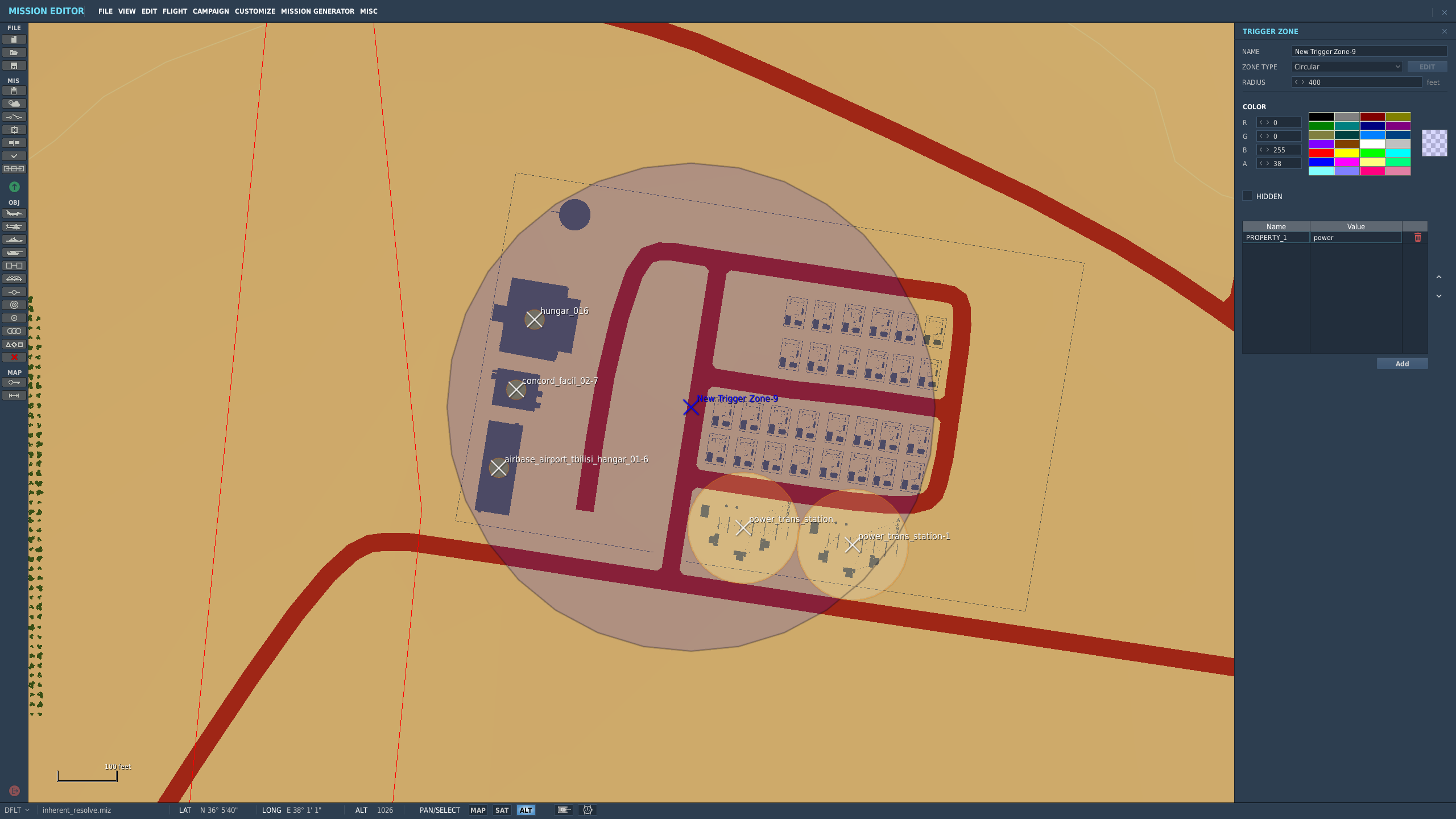 How the objective looks once in the mission planner/editor. This objective belongs to the enemy faction: 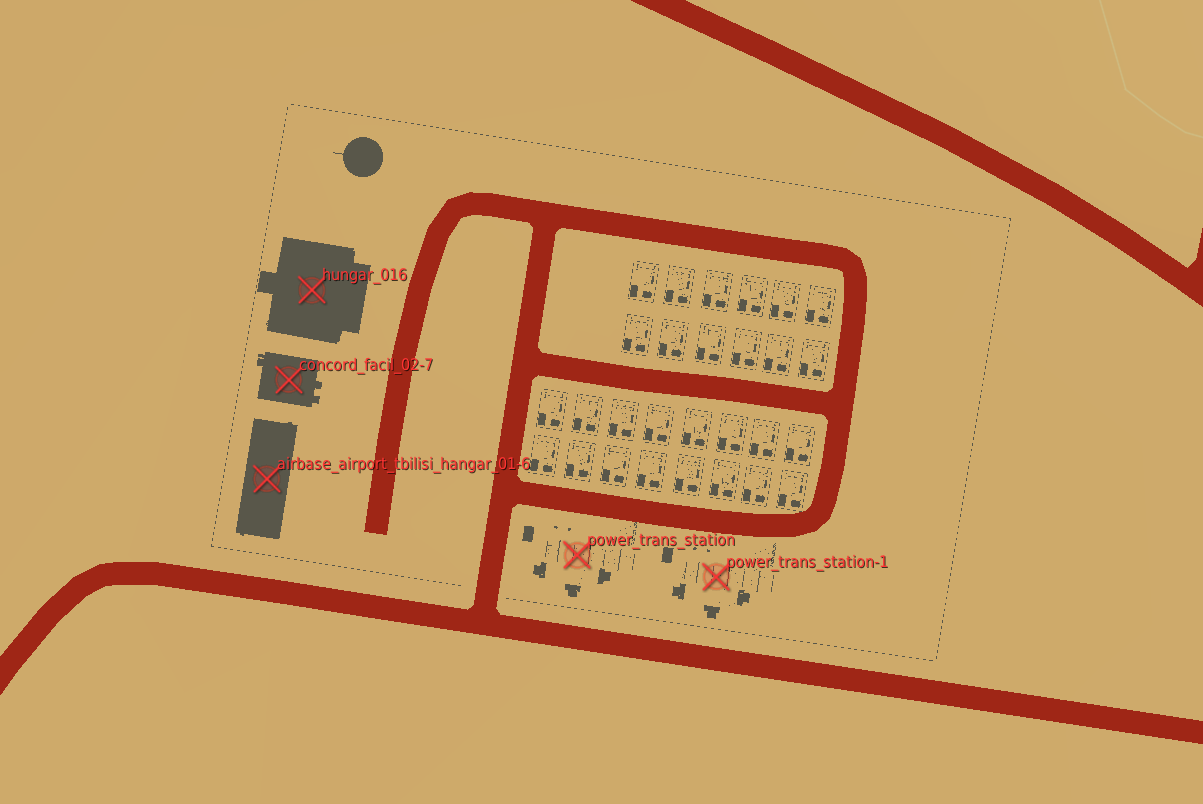


217 lines
8.8 KiB
Python
217 lines
8.8 KiB
Python
"""Maps generated units back to their Liberation types."""
|
|
from dataclasses import dataclass
|
|
from typing import Dict, Optional, Type
|
|
|
|
from dcs.unit import Unit
|
|
from dcs.unitgroup import FlyingGroup, Group, VehicleGroup
|
|
from dcs.unittype import VehicleType
|
|
|
|
from game import db
|
|
from game.theater import Airfield, ControlPoint, TheaterGroundObject
|
|
from game.theater.theatergroundobject import BuildingGroundObject, SceneryGroundObject
|
|
from game.transfers import CargoShip, Convoy, TransferOrder
|
|
from gen.flights.flight import Flight
|
|
|
|
|
|
@dataclass(frozen=True)
|
|
class FrontLineUnit:
|
|
unit_type: Type[VehicleType]
|
|
origin: ControlPoint
|
|
|
|
|
|
@dataclass(frozen=True)
|
|
class GroundObjectUnit:
|
|
ground_object: TheaterGroundObject
|
|
group: Group
|
|
unit: Unit
|
|
|
|
|
|
@dataclass(frozen=True)
|
|
class ConvoyUnit:
|
|
unit_type: Type[VehicleType]
|
|
convoy: Convoy
|
|
|
|
|
|
@dataclass(frozen=True)
|
|
class AirliftUnit:
|
|
unit_type: Type[VehicleType]
|
|
transfer: TransferOrder
|
|
|
|
|
|
@dataclass(frozen=True)
|
|
class Building:
|
|
ground_object: BuildingGroundObject
|
|
|
|
|
|
class UnitMap:
|
|
def __init__(self) -> None:
|
|
self.aircraft: Dict[str, Flight] = {}
|
|
self.airfields: Dict[str, Airfield] = {}
|
|
self.front_line_units: Dict[str, FrontLineUnit] = {}
|
|
self.ground_object_units: Dict[str, GroundObjectUnit] = {}
|
|
self.buildings: Dict[str, Building] = {}
|
|
self.convoys: Dict[str, ConvoyUnit] = {}
|
|
self.cargo_ships: Dict[str, CargoShip] = {}
|
|
self.airlifts: Dict[str, AirliftUnit] = {}
|
|
|
|
def add_aircraft(self, group: FlyingGroup, flight: Flight) -> None:
|
|
for unit in group.units:
|
|
# The actual name is a String (the pydcs translatable string), which
|
|
# doesn't define __eq__.
|
|
name = str(unit.name)
|
|
if name in self.aircraft:
|
|
raise RuntimeError(f"Duplicate unit name: {name}")
|
|
self.aircraft[name] = flight
|
|
if flight.cargo is not None:
|
|
self.add_airlift_units(group, flight.cargo)
|
|
|
|
def flight(self, unit_name: str) -> Optional[Flight]:
|
|
return self.aircraft.get(unit_name, None)
|
|
|
|
def add_airfield(self, airfield: Airfield) -> None:
|
|
if airfield.name in self.airfields:
|
|
raise RuntimeError(f"Duplicate airfield: {airfield.name}")
|
|
self.airfields[airfield.name] = airfield
|
|
|
|
def airfield(self, name: str) -> Optional[Airfield]:
|
|
return self.airfields.get(name, None)
|
|
|
|
def add_front_line_units(self, group: Group, origin: ControlPoint) -> None:
|
|
for unit in group.units:
|
|
# The actual name is a String (the pydcs translatable string), which
|
|
# doesn't define __eq__.
|
|
name = str(unit.name)
|
|
if name in self.front_line_units:
|
|
raise RuntimeError(f"Duplicate front line unit: {name}")
|
|
unit_type = db.unit_type_from_name(unit.type)
|
|
if unit_type is None:
|
|
raise RuntimeError(f"Unknown unit type: {unit.type}")
|
|
if not issubclass(unit_type, VehicleType):
|
|
raise RuntimeError(
|
|
f"{name} is a {unit_type.__name__}, expected a VehicleType"
|
|
)
|
|
self.front_line_units[name] = FrontLineUnit(unit_type, origin)
|
|
|
|
def front_line_unit(self, name: str) -> Optional[FrontLineUnit]:
|
|
return self.front_line_units.get(name, None)
|
|
|
|
def add_ground_object_units(
|
|
self,
|
|
ground_object: TheaterGroundObject,
|
|
persistence_group: Group,
|
|
miz_group: Group,
|
|
) -> None:
|
|
"""Adds a group associated with a TGO to the unit map.
|
|
|
|
Args:
|
|
ground_object: The TGO the group is associated with.
|
|
persistence_group: The Group tracked by the TGO itself.
|
|
miz_group: The Group spawned for the miz to match persistence_group.
|
|
"""
|
|
# Deaths for units at TGOs are recorded in the Group that is contained
|
|
# by the TGO, but when groundobjectsgen populates the miz it creates new
|
|
# groups based on that template, so the units and groups in the miz are
|
|
# not a direct match for the units and groups that persist in the TGO.
|
|
#
|
|
# This means that we need to map the spawned unit names back to the
|
|
# original TGO units, not the ones in the miz.
|
|
if len(persistence_group.units) != len(miz_group.units):
|
|
raise ValueError("Persistent group does not match generated group")
|
|
unit_pairs = zip(persistence_group.units, miz_group.units)
|
|
for persistent_unit, miz_unit in unit_pairs:
|
|
# The actual name is a String (the pydcs translatable string), which
|
|
# doesn't define __eq__.
|
|
name = str(miz_unit.name)
|
|
if name in self.ground_object_units:
|
|
raise RuntimeError(f"Duplicate TGO unit: {name}")
|
|
self.ground_object_units[name] = GroundObjectUnit(
|
|
ground_object, persistence_group, persistent_unit
|
|
)
|
|
|
|
def ground_object_unit(self, name: str) -> Optional[GroundObjectUnit]:
|
|
return self.ground_object_units.get(name, None)
|
|
|
|
def add_convoy_units(self, group: Group, convoy: Convoy) -> None:
|
|
for unit in group.units:
|
|
# The actual name is a String (the pydcs translatable string), which
|
|
# doesn't define __eq__.
|
|
name = str(unit.name)
|
|
if name in self.convoys:
|
|
raise RuntimeError(f"Duplicate convoy unit: {name}")
|
|
unit_type = db.unit_type_from_name(unit.type)
|
|
if unit_type is None:
|
|
raise RuntimeError(f"Unknown unit type: {unit.type}")
|
|
if not issubclass(unit_type, VehicleType):
|
|
raise RuntimeError(
|
|
f"{name} is a {unit_type.__name__}, expected a VehicleType"
|
|
)
|
|
self.convoys[name] = ConvoyUnit(unit_type, convoy)
|
|
|
|
def convoy_unit(self, name: str) -> Optional[ConvoyUnit]:
|
|
return self.convoys.get(name, None)
|
|
|
|
def add_cargo_ship(self, group: Group, ship: CargoShip) -> None:
|
|
if len(group.units) > 1:
|
|
# Cargo ship "groups" are single units. Killing the one ship kills the whole
|
|
# transfer. If we ever want to add escorts or create multiple cargo ships in
|
|
# a convoy of ships that logic needs to change.
|
|
raise ValueError("Expected cargo ship to be a single unit group.")
|
|
unit = group.units[0]
|
|
# The actual name is a String (the pydcs translatable string), which
|
|
# doesn't define __eq__.
|
|
name = str(unit.name)
|
|
if name in self.cargo_ships:
|
|
raise RuntimeError(f"Duplicate cargo ship: {name}")
|
|
self.cargo_ships[name] = ship
|
|
|
|
def cargo_ship(self, name: str) -> Optional[CargoShip]:
|
|
return self.cargo_ships.get(name, None)
|
|
|
|
def add_airlift_units(self, group: FlyingGroup, transfer: TransferOrder) -> None:
|
|
for transport, cargo_type in zip(group.units, transfer.iter_units()):
|
|
# The actual name is a String (the pydcs translatable string), which
|
|
# doesn't define __eq__.
|
|
name = str(transport.name)
|
|
if name in self.airlifts:
|
|
raise RuntimeError(f"Duplicate airlift unit: {name}")
|
|
self.airlifts[name] = AirliftUnit(cargo_type, transfer)
|
|
|
|
def airlift_unit(self, name: str) -> Optional[AirliftUnit]:
|
|
return self.airlifts.get(name, None)
|
|
|
|
def add_building(self, ground_object: BuildingGroundObject, group: Group) -> None:
|
|
# The actual name is a String (the pydcs translatable string), which
|
|
# doesn't define __eq__.
|
|
# The name of the initiator in the DCS dead event will have " object"
|
|
# appended for statics.
|
|
name = f"{group.name} object"
|
|
if name in self.buildings:
|
|
raise RuntimeError(f"Duplicate TGO unit: {name}")
|
|
self.buildings[name] = Building(ground_object)
|
|
|
|
def add_fortification(
|
|
self, ground_object: BuildingGroundObject, group: VehicleGroup
|
|
) -> None:
|
|
if len(group.units) != 1:
|
|
raise ValueError("Fortification groups must have exactly one unit.")
|
|
unit = group.units[0]
|
|
# The actual name is a String (the pydcs translatable string), which
|
|
# doesn't define __eq__.
|
|
name = str(unit.name)
|
|
if name in self.buildings:
|
|
raise RuntimeError(f"Duplicate TGO unit: {name}")
|
|
self.buildings[name] = Building(ground_object)
|
|
|
|
def add_scenery(self, ground_object: SceneryGroundObject) -> None:
|
|
name = str(ground_object.map_object_id)
|
|
if name in self.buildings:
|
|
raise RuntimeError(
|
|
f"Duplicate TGO unit: {name}. TriggerZone name: "
|
|
f"{ground_object.dcs_identifier}"
|
|
)
|
|
|
|
self.buildings[name] = Building(ground_object)
|
|
|
|
def building_or_fortification(self, name: str) -> Optional[Building]:
|
|
return self.buildings.get(name, None)
|